Trier is Germany’s oldest city and it has some very ancient sights to prove it. We spent a few hours today trying to see as many as we could.
First stop was the Porta Nigra. I included a photo in the last post showing me riding a bike. Did you spot me with the maroon backpack and the sexy bike shorts?
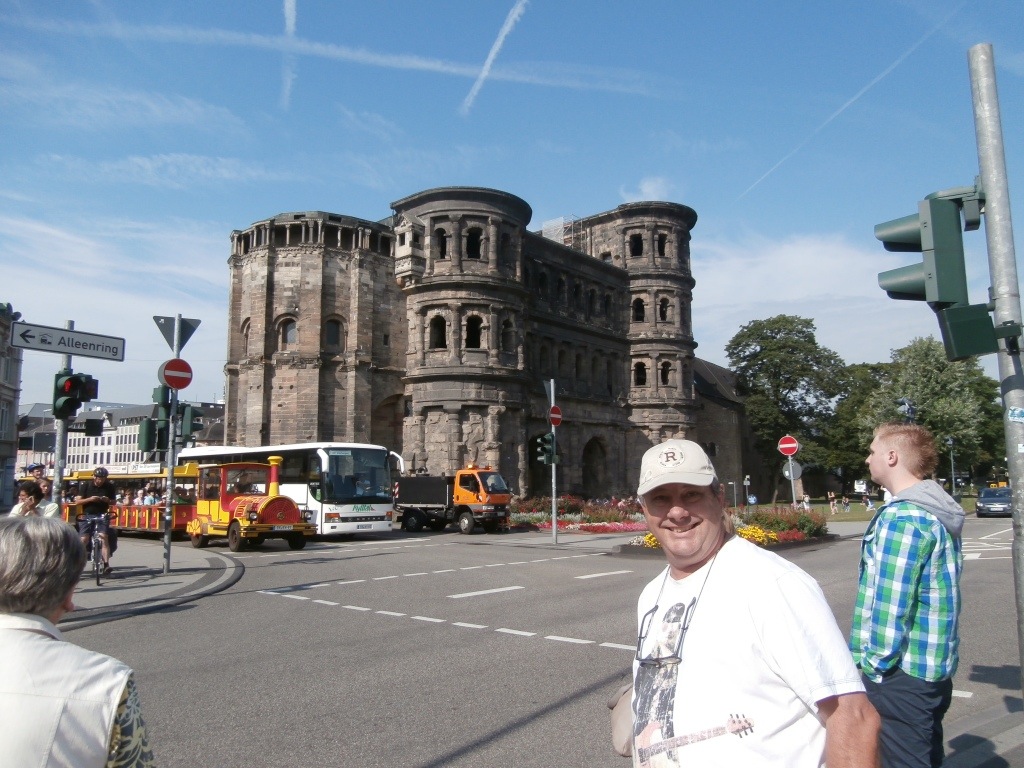
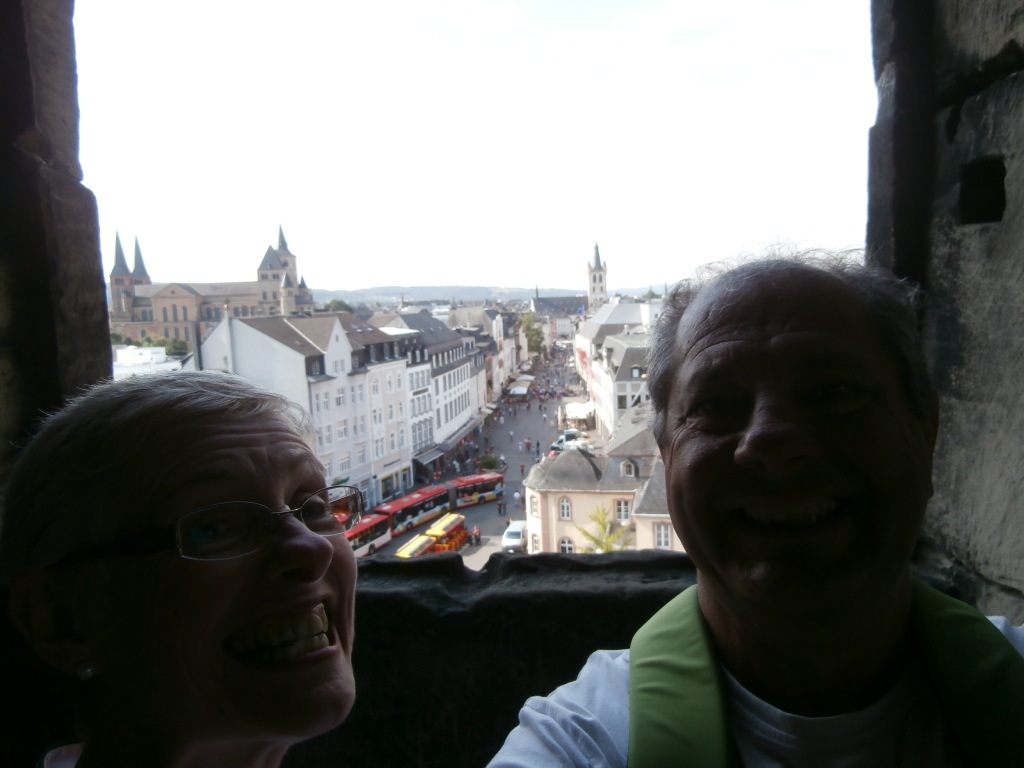
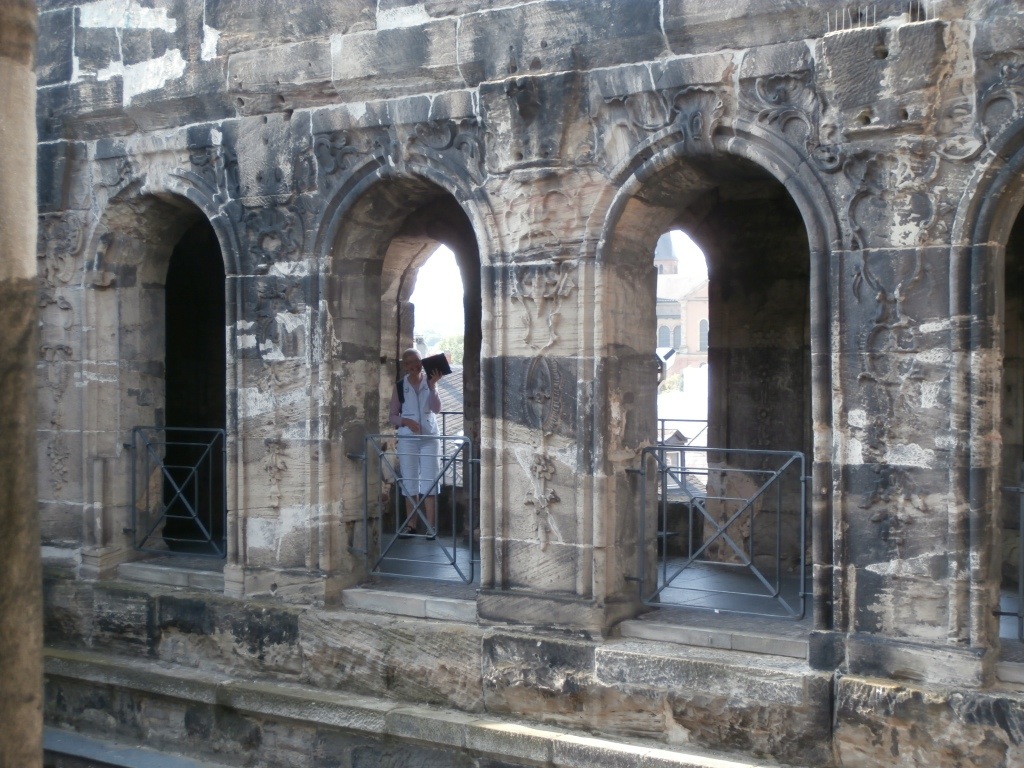
Anyway, this is Trier’s most famous landmark and was built in 180AD as one of four gates for the city’s wall. It is the only gate still standing. It is made of sandstone that has turned black over time, hence its name. We climbed up to the top floor and got a great view of the city. I have included four photos of this gate on this post, including one Michael took of me listening to a tour on my iPad.
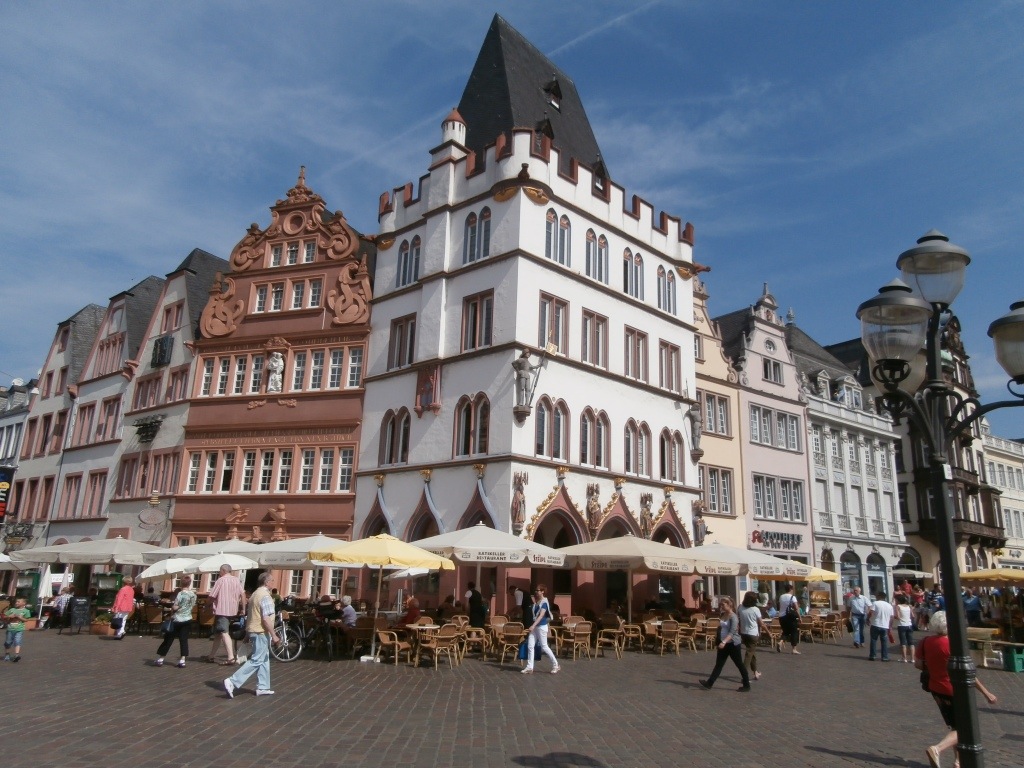
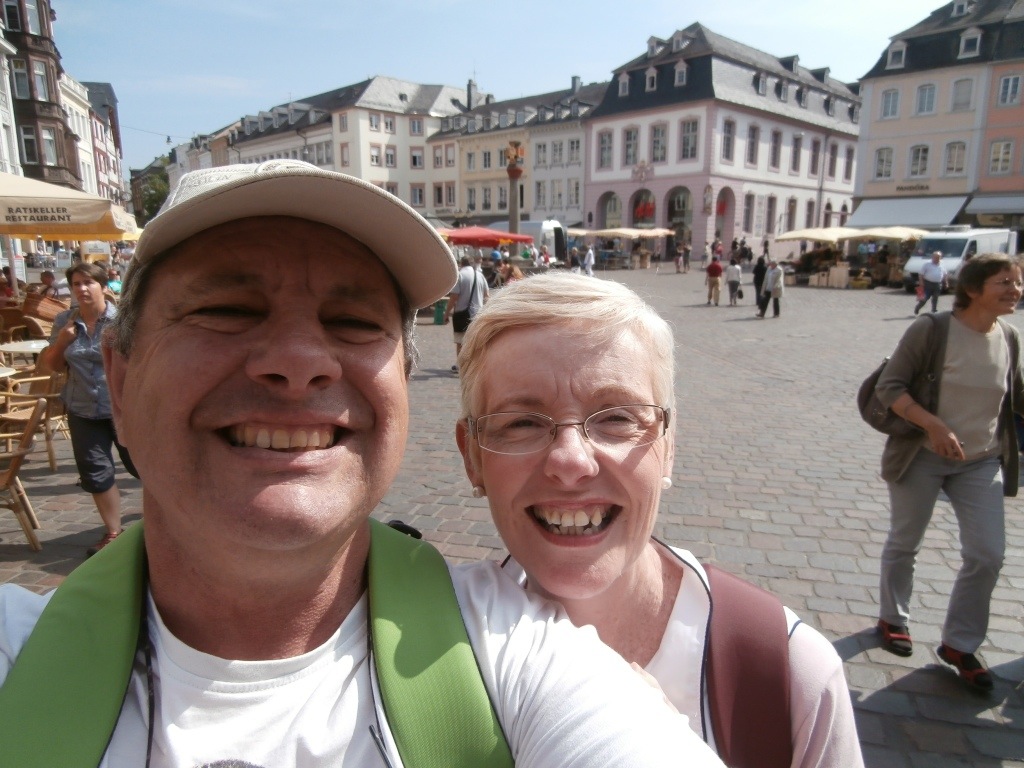
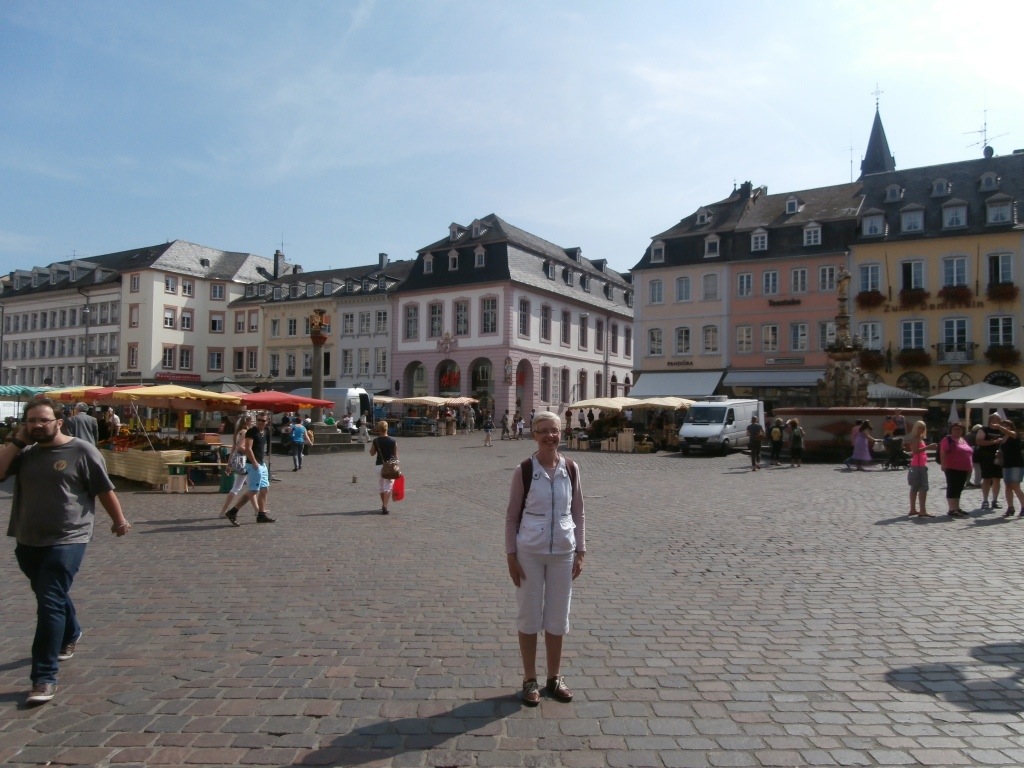
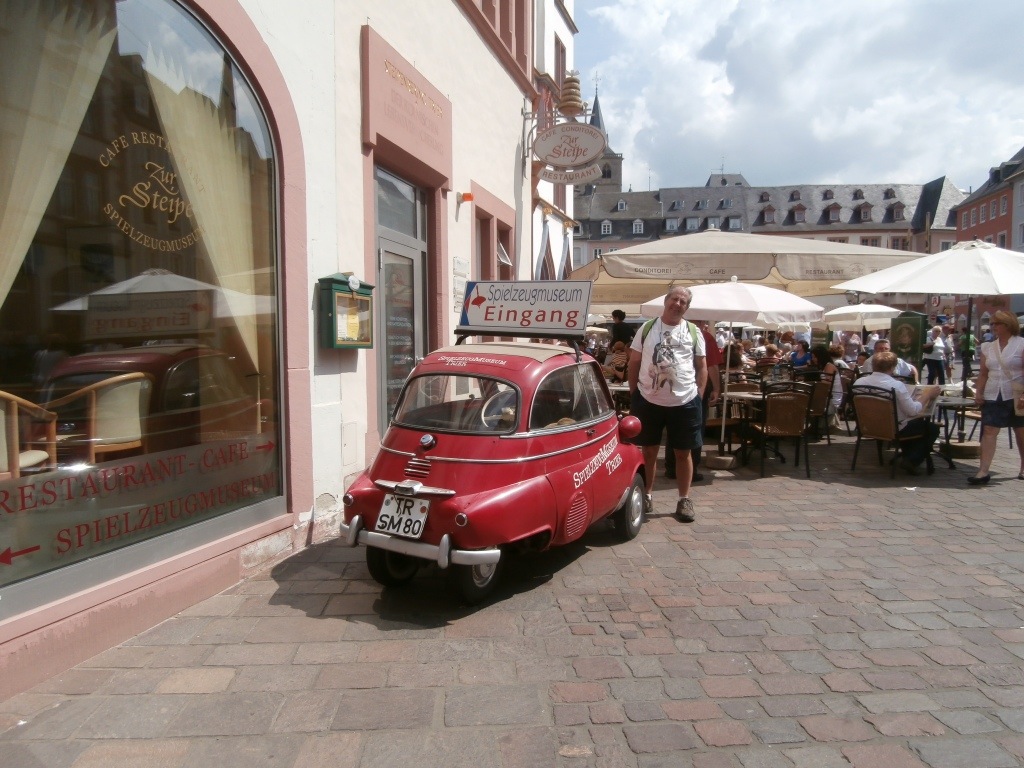
Our next stop was the Market Square (again 4 photos). It was busy today with a fresh fruit and flower market being held. The square has a very famous / old market cross (dating from 958) and a fountain to St Peter (dating from 1595). There are a number of buildings in the square that date back to the 13-15th Centuries. It was interesting to observe the old and the new as there were lots of big shops and even McDonalds and Subway.
We enjoyed lunch in this area later during the day. The restaurant was in Dietrich Strasse. I sent a copy of the photo of the street to our friend Michael Dietrich. Perhaps he has some links to this beautiful area of Germany.
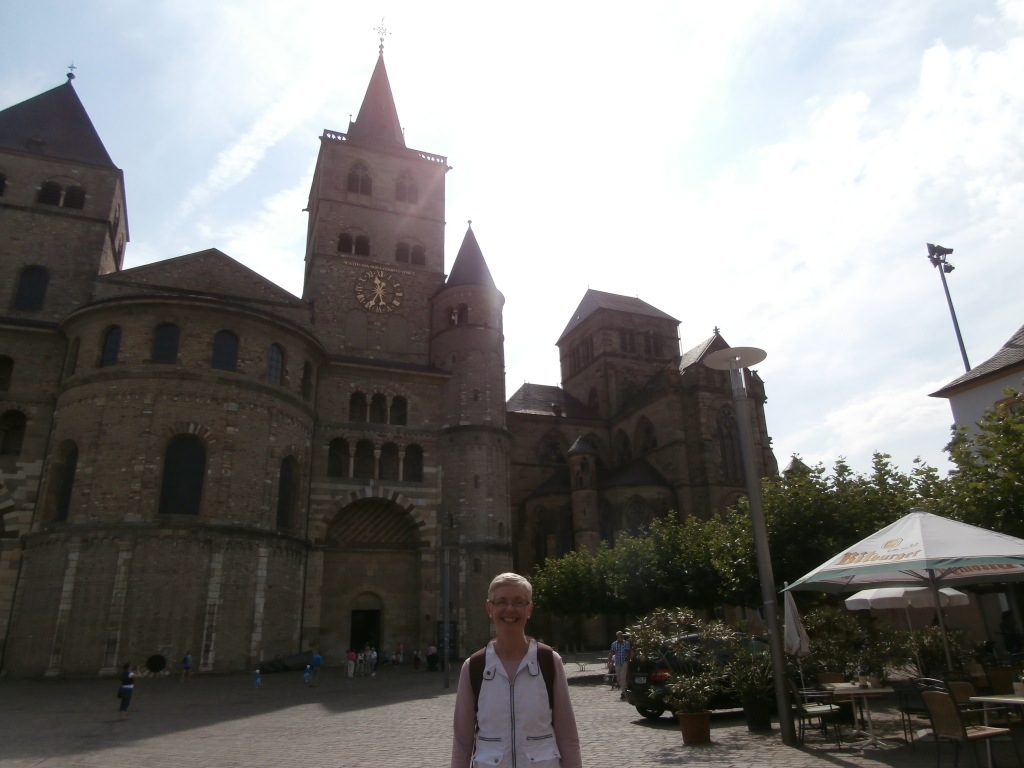
The town’s most famous churches in Trier were our next stop and they were only a few short steps from the main market.
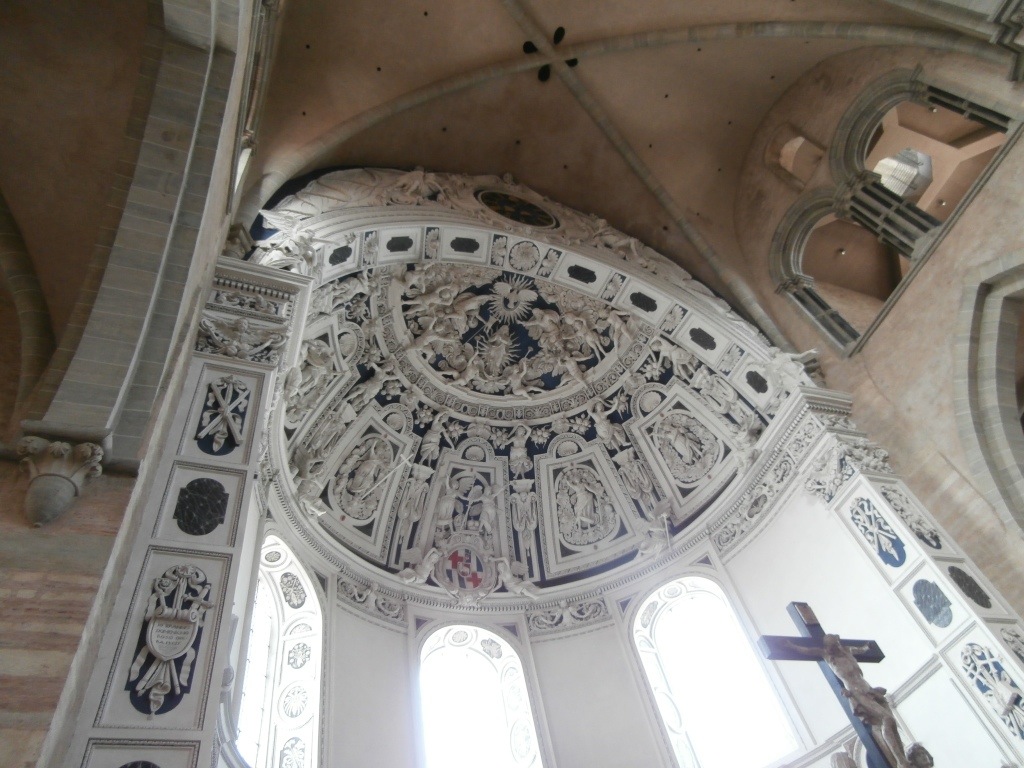
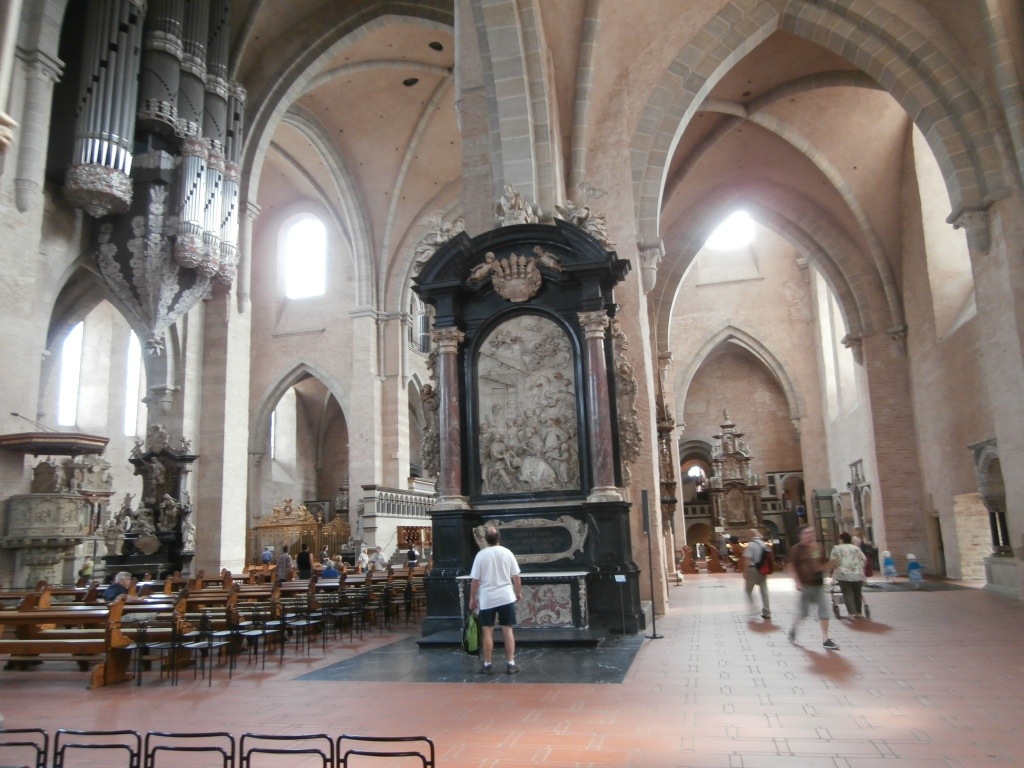
1. St Peter’s Cathedral or Dom (3 photos) – which is the oldest bishop’s church in Germany dating back to the 4th Century. We were able to take photos insider this church and you can see the detail in some of the ceilings and the size of the organ (suspended in the air above Michael). This church is famous as it houses the holy relic of the tunic of Christ. The one he wore before he was crucified. It is displayed every few years and many people come on a pilgrimage to see this relic. This year was not one of the years it was displayed.
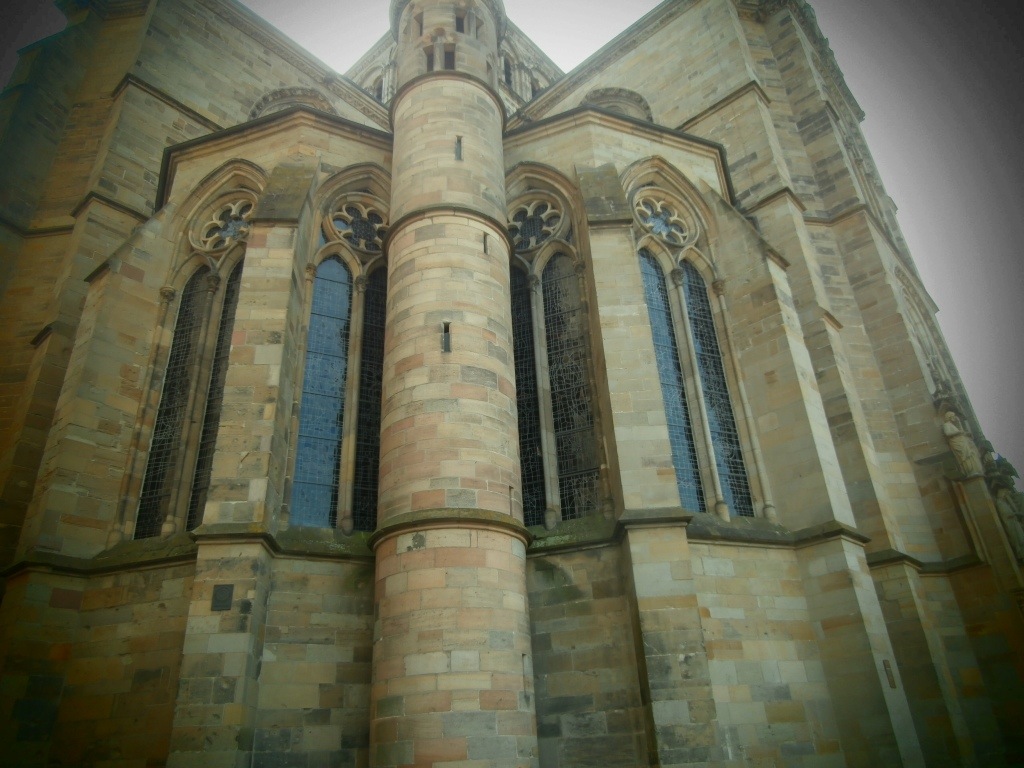
2. The Church of Our Lady (Liebfrauenkirche) (3 photos) – this is smaller and located next to the Dom. It is quite new inside with new pews and alter/s. It is famous for being Germany’s earliest Gothic style church and dates from the 13th Century.
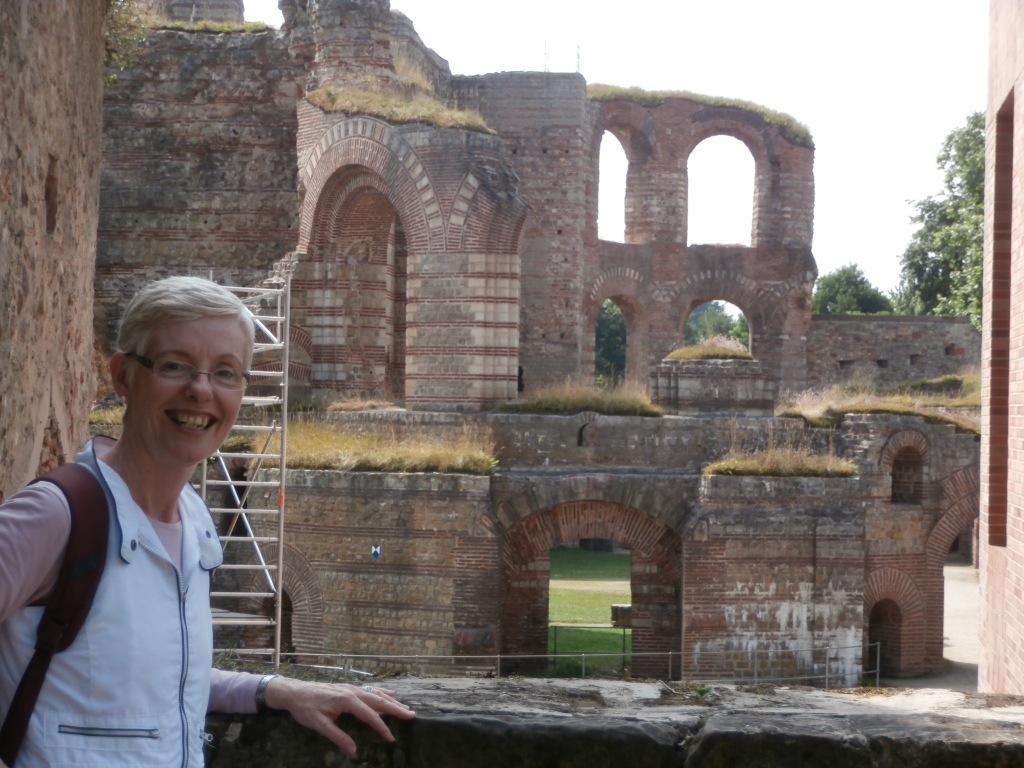
We then walked past the Electoral Palace, the Imperial Throne Room (Constantine’s Basilica) and the beautiful Palace gardens to get to the Imperial Baths. These are now a ruin and interestingly enough were never used for what they were built for in the 3rd Century. Just as they were finished being built, Constantine moved his seat to Constantinople. The ruins are now used for concerts in Trier. Seems a waste. There is one photo of me outside the ruins. We did not pay the €3 to go into this sight, but we did the next one!
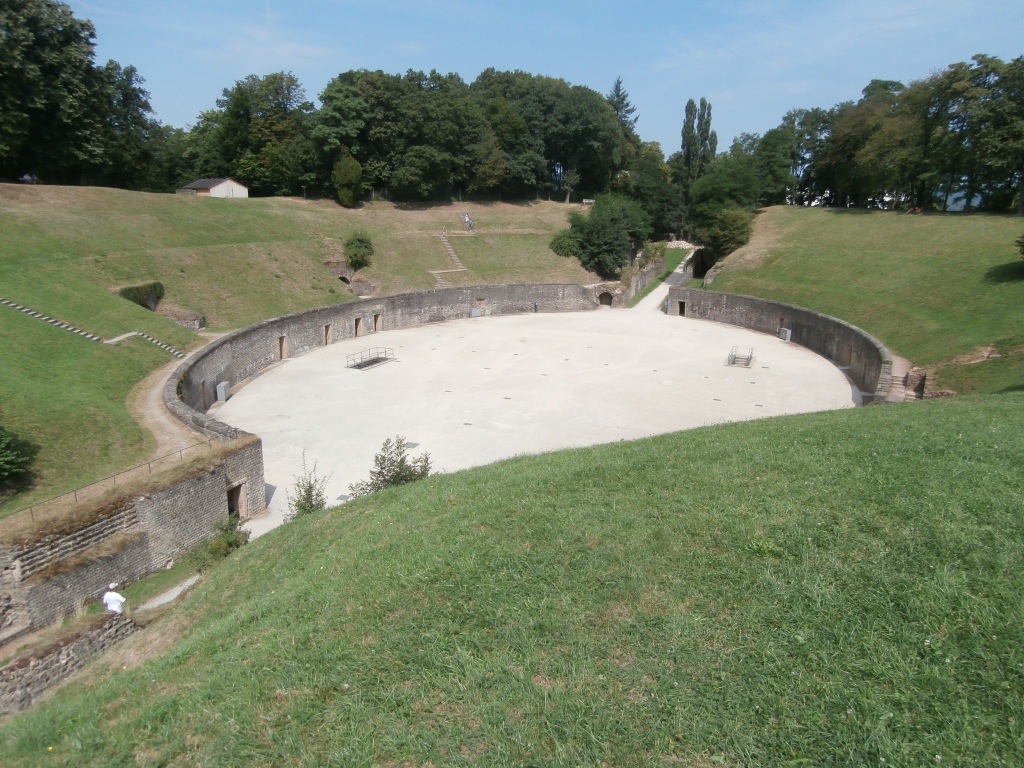
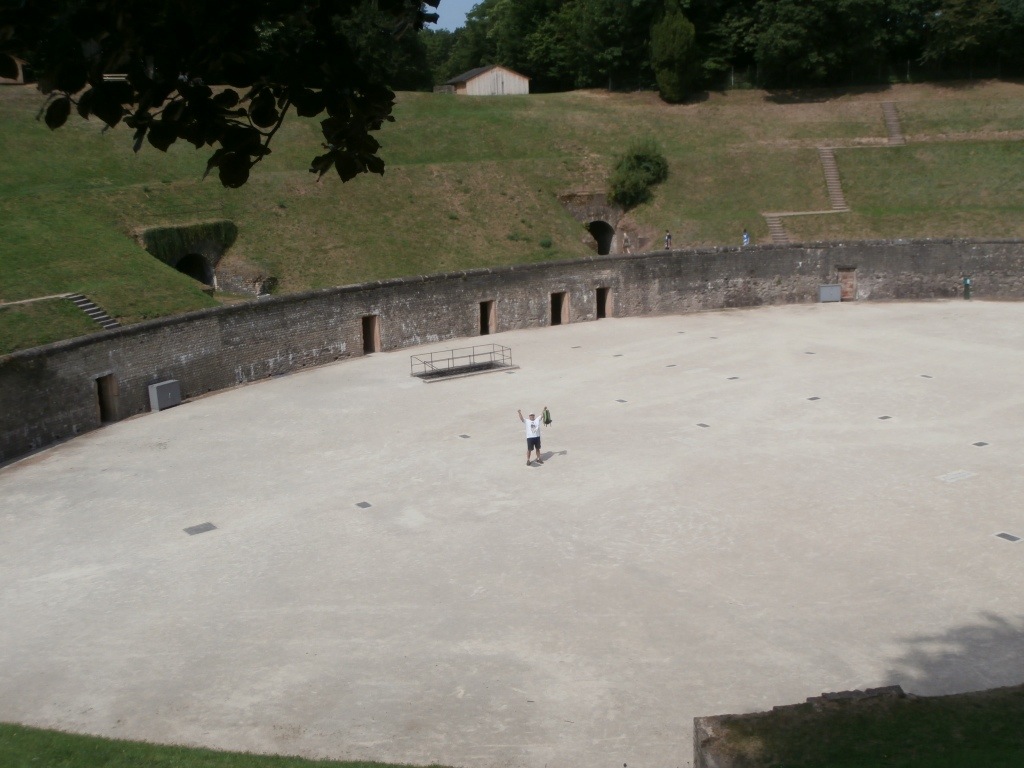
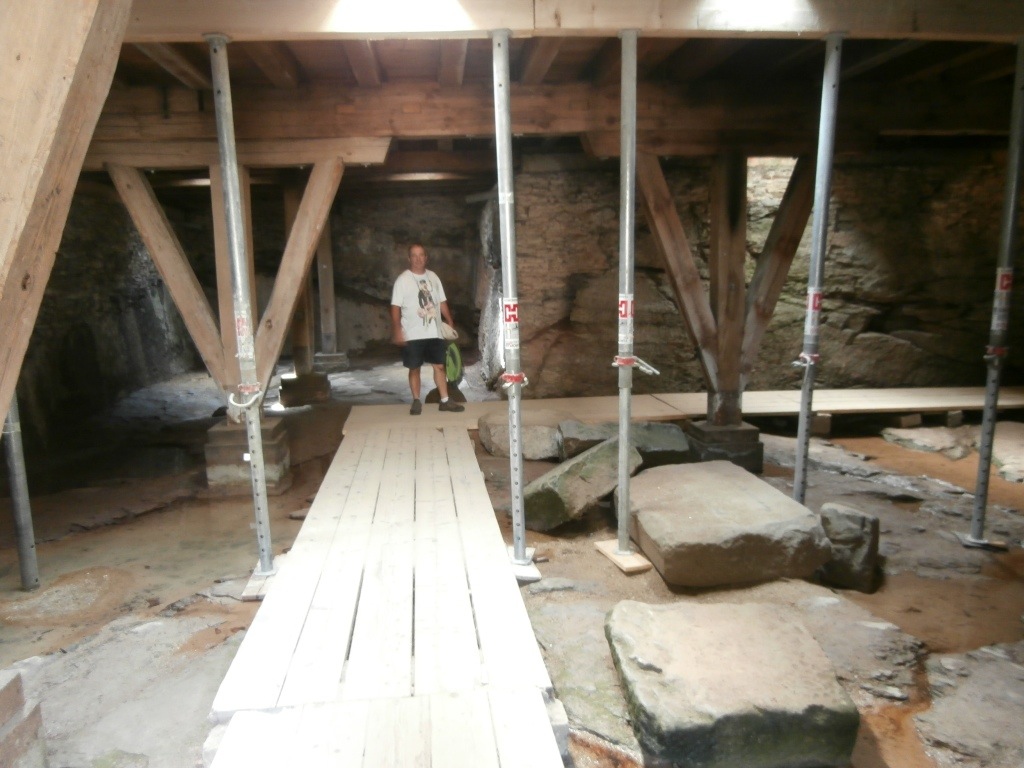
The ruins of the Roman Amphitheatre (3 photos) which are the biggest north of the Alps. The amphithetre measures 71x41m and could house 20,000. If you look hard you will see Michael in the middle of one of the photos. It was a pretty eery place as we were able to walk beneath the arena in the cellar system where prisoners sentenced to death would be kept waiting before execution.



 Jane and Mick's Holiday Adventures