We had a slower start this morning. We had planned a quieter day exploring our surroundings a little further. And, yes, our night out had caught up with us a little.
After breakfast we headed to the Hanazono-jinja Shrine, not so much to visit the shrine (which was actually covered in scaffolding), but to visit the open-air flea market. It is held each Sunday. This shrine though is considered the most important shrine of Shinjuku, and is said to “guard the area, its inhabitants, merchants, craftsmen and artists.”
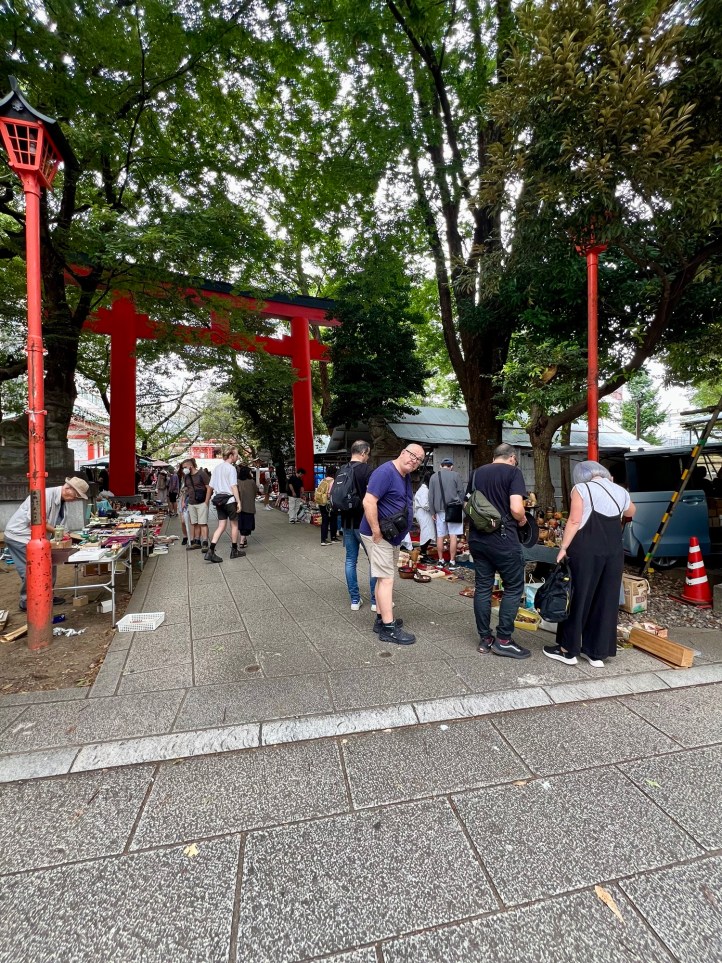
Online photos of this market show it to be usually much larger than we experienced today, and the trees lining the path I think were cherry trees. In spring they are covered in blossoms.
Most of the items were very old and priced quite highly. But as Mick and I know little to nothing about Japanese antiquities, we chose mostly to look. Then we spotted something familiar.
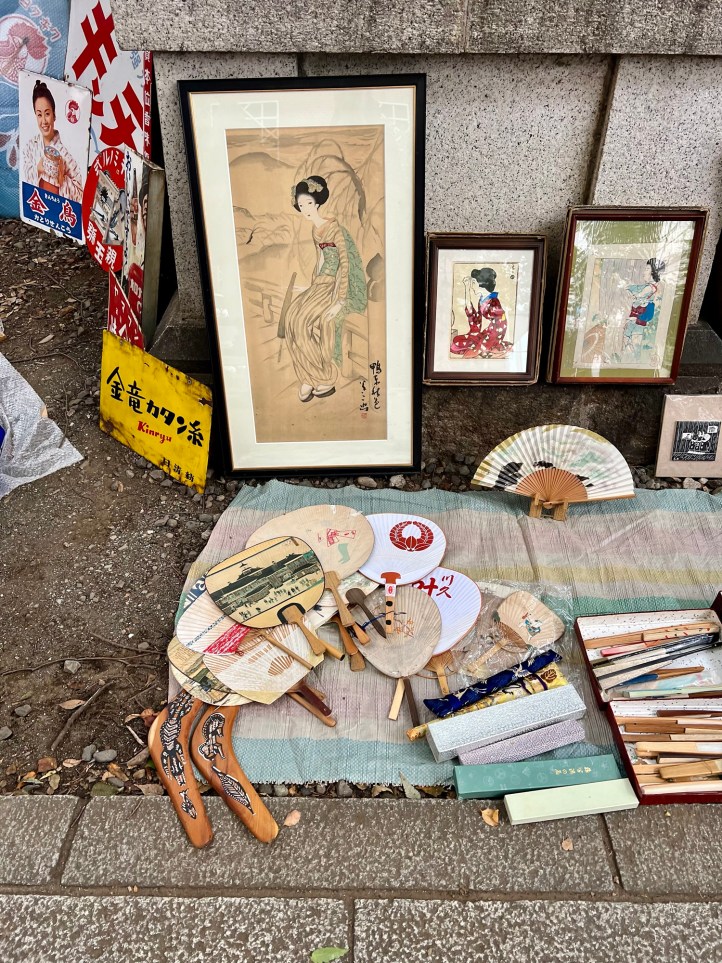
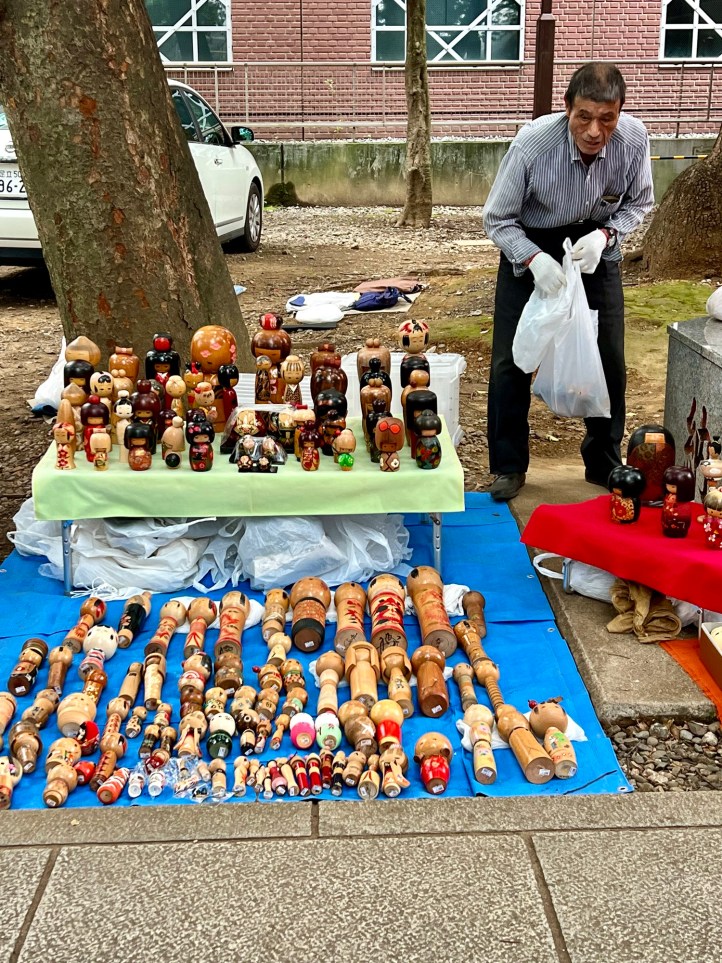
I did find myself a bargain here though. And, for only 1000Yen! ($10AUD)
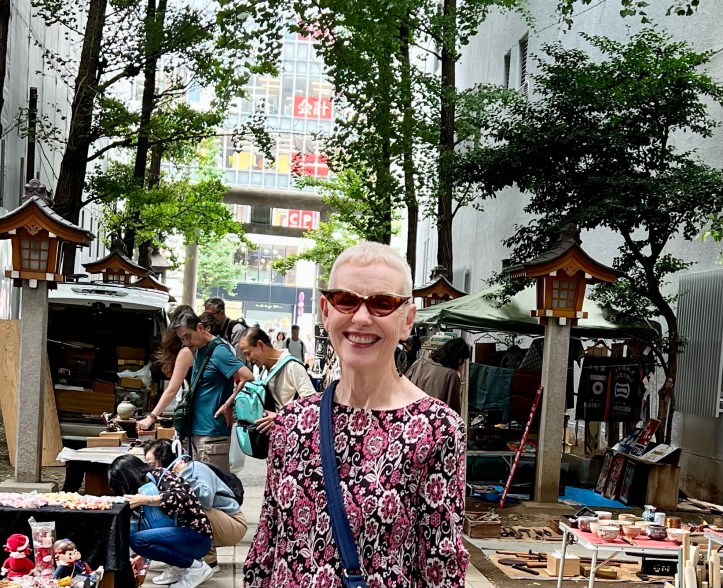
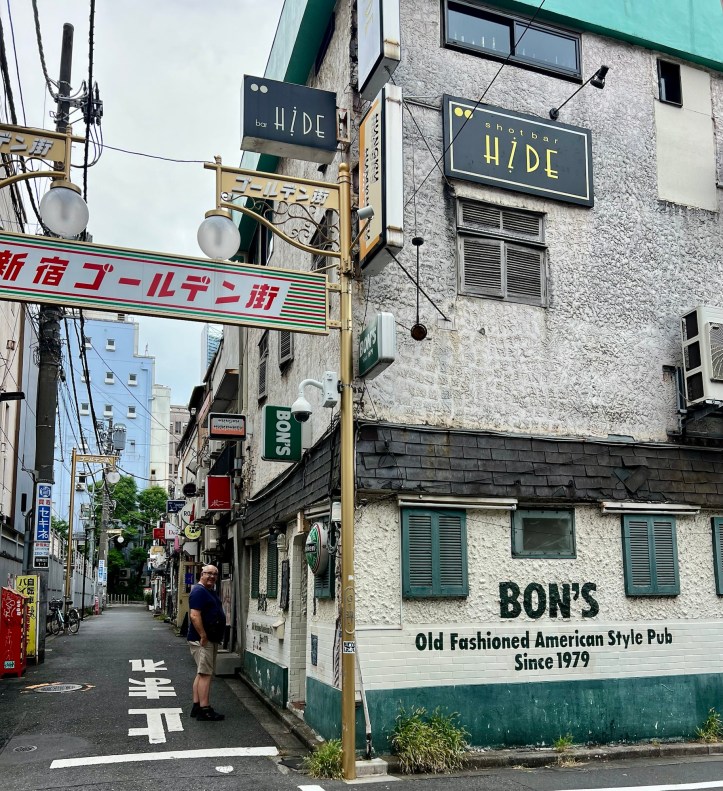
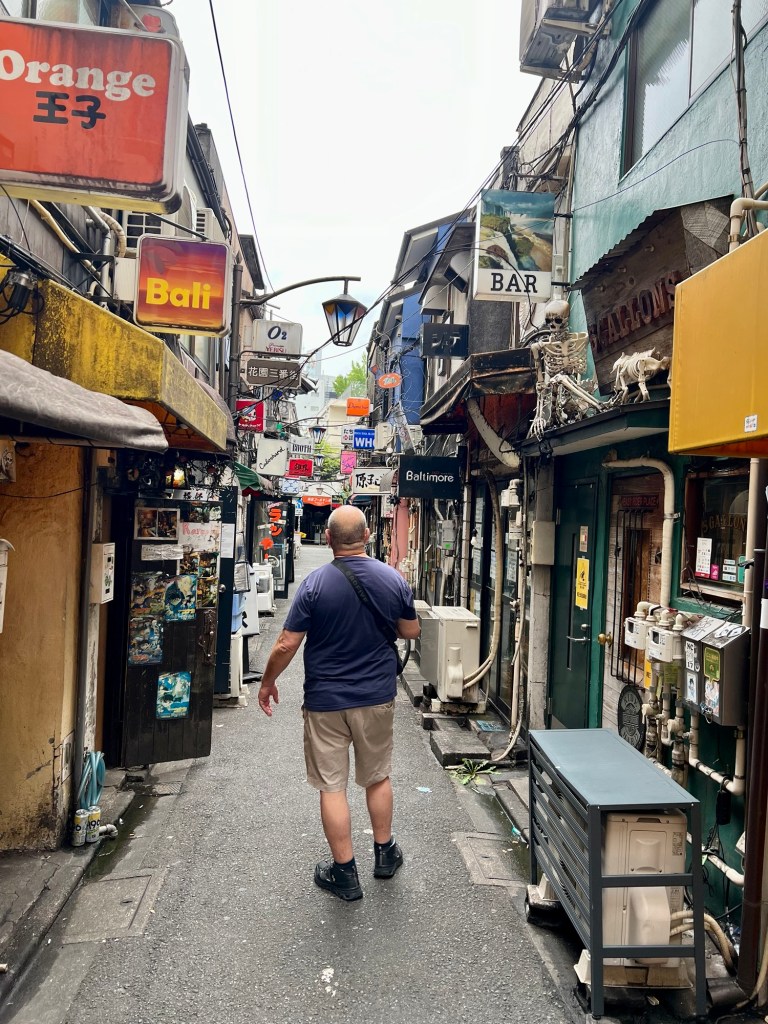
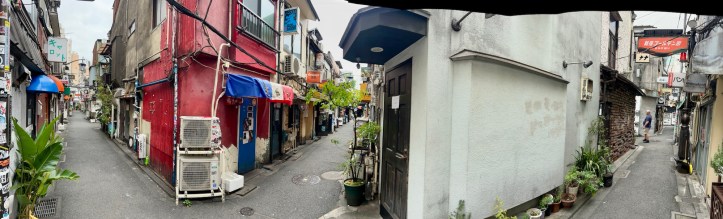
Shinjuku Golden Gai area is located only 200m away from this market so we decided to locate the streets with all the restaurants and bars that we plan on returning to this evening. It is so much bigger and more complicated than Memories Alley (Omoide Yokocho) that we visited yesterday.
Morning tea was next. We have found this excellent bakery near our hotel and treated ourselves to some French pastries with a coffee before heading to find the Meiji Jingu Shinto Shrine.
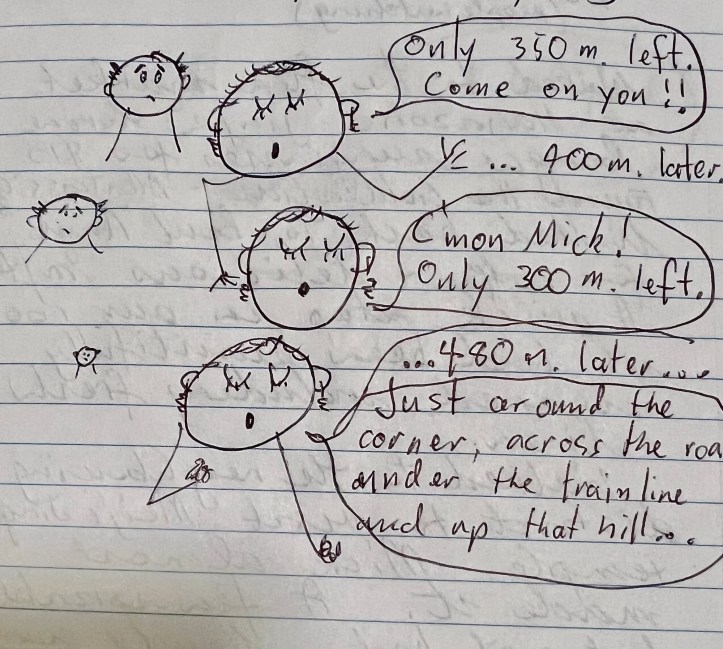
Mick was not too happy that it was a further 1.5km walk from our hotel, but I assured him it would be worth the effort.
The temple is located in the Yoyogi Park which is famous for sporting grounds and fields, including for baseball.
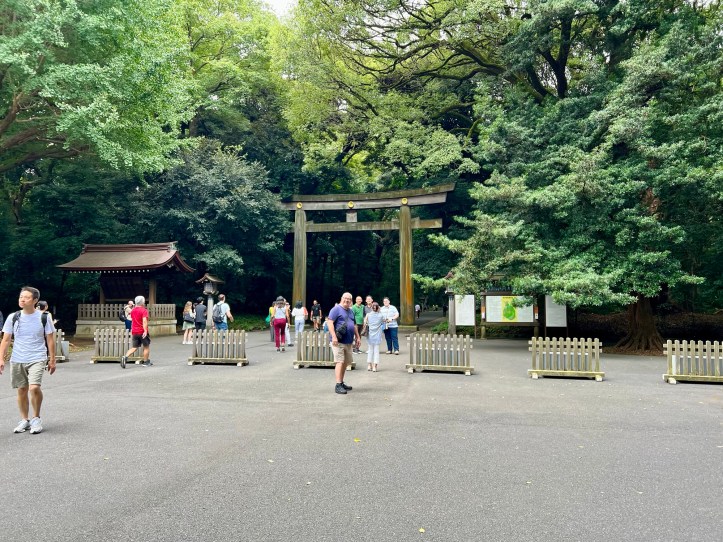
Lightning destroyed the original gate in 1966, and this was reconstructed using Japanese cypress that was more than 1000 years old. Apparently that signifies just how important the temple is.
It was quite a walk from the torii to the shrine.
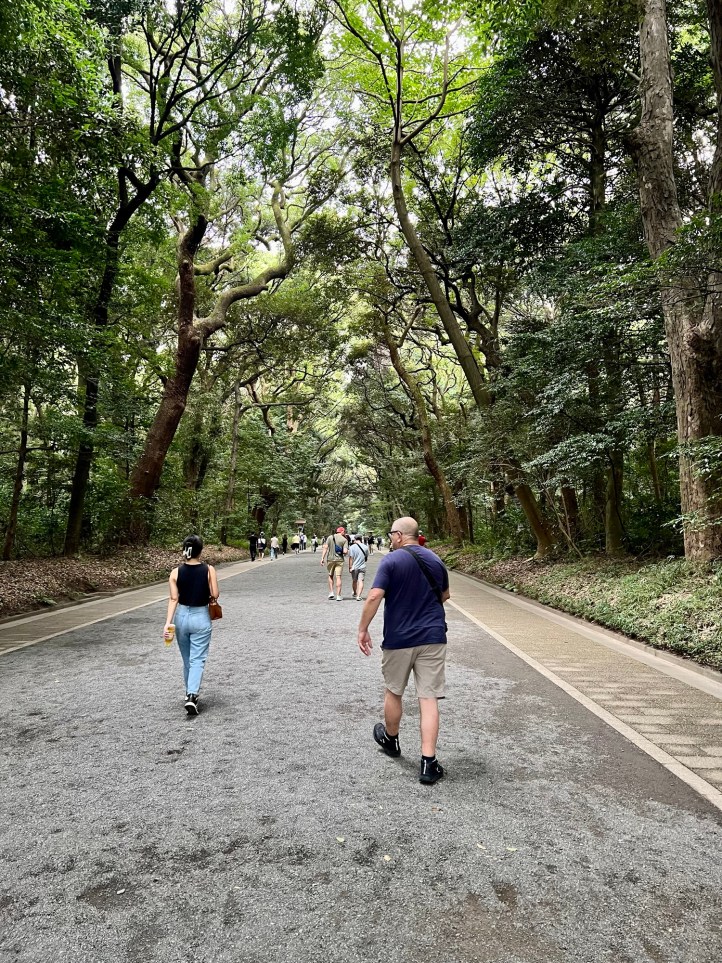
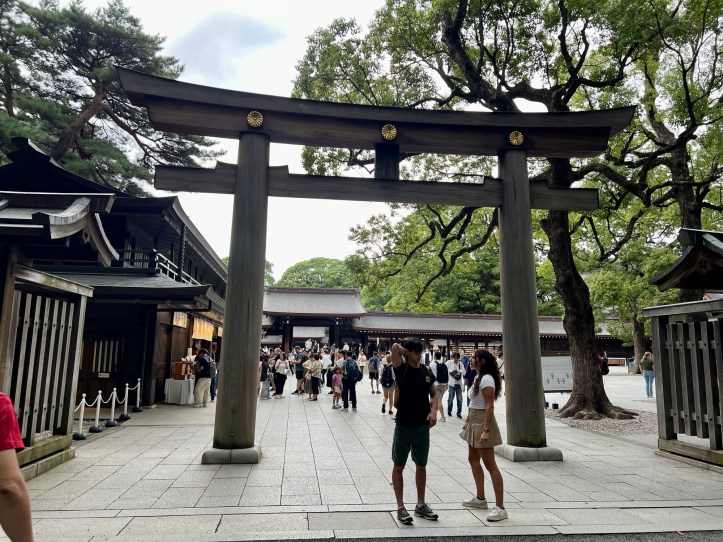
The temple is hidden among a thickly forested area, creating an atmosphere of tranquility in the heart of Japan’s bustling metropolis. Meiji Jingu is one of the most popular shrines in Tokyo and is visited by millions of people every year. The shrine’s daily ceremonies, incredible architecture, and scenic grounds make it a memorable and rejuvenating destination for tourists and Shinto practitioners alike.
After this, we headed back to our hotel for some lunch and a rest. Mick decided he had had enough walking and gardens for one day, but I was keen to keep going.
So, during the afternoon, I headed off in search of the Shinjuku Gyoen National Garden.
I had to pay 250Yen ($2.50AUD) to enter, which was a discounted price for seniors. I had to produce my passport to prove my age; not because the cashier couldn’t tell, but because it was compulsory.
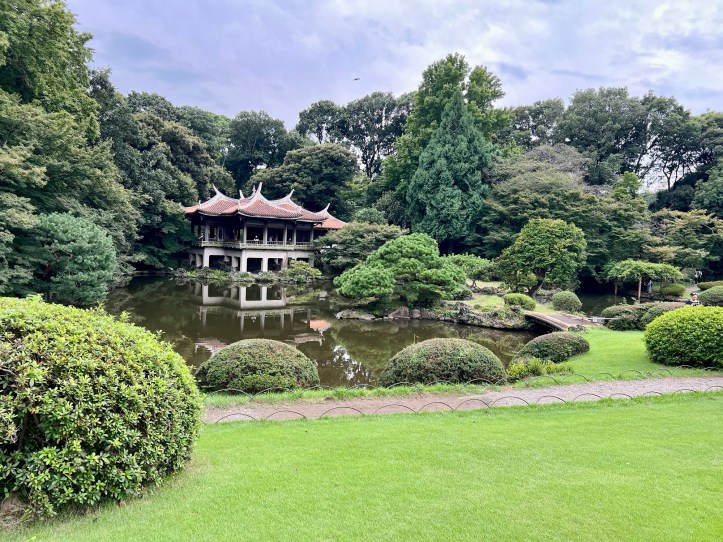
The site of the Gyoen garden was an Imperial garden between 1906 and 1949. After World War II it was made into a public garden. Being a weekend, there were lots of people, couples and families enjoying the beautifully manicured space.
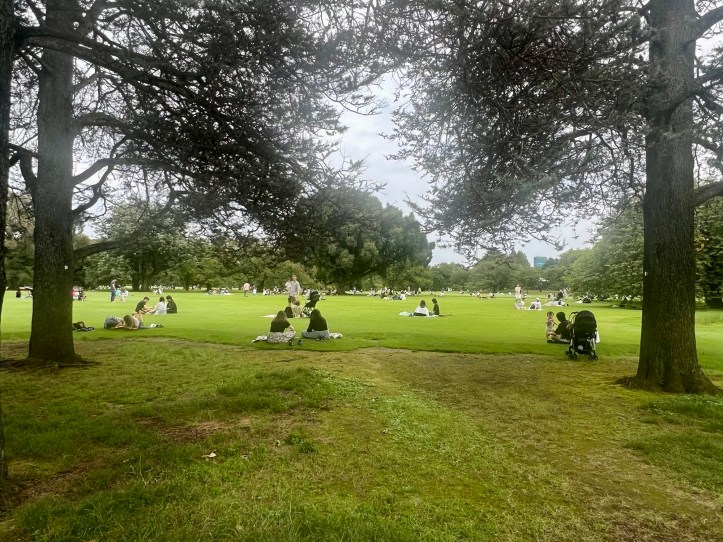
The garden takes up almost 60 hectares in the centre of Shinjuku and although I tried to walk the perimeter of the garden (3.5km) I ran out of steam. Our earlier visits to Shinto shrines had caught up with me.
But I did see some beautiful parts.

I could not help taking photos of one building in particular – it just seemed to be in the backdrop all the time. This tall building is the NTT Docomo Building and it is the fifth tallest skyscraper in Tokyo. But it also is the second tallest (remember that Japan loves to be the biggest or best) clock tower in the world.
One sign I read during my walk through the gardens boasted that Shinjuku Gyoen has approximately 1000 cherry trees, made up of over 65 different varieties. The blooming occurs at different times for the different varieties and offers spectacular views from late March to early April. Each year, Japan’s Prime Minister hosts dignitaries from around the world at the Cherry Blossom Viewing Party in the Shinjuku Gyoen Gardens.
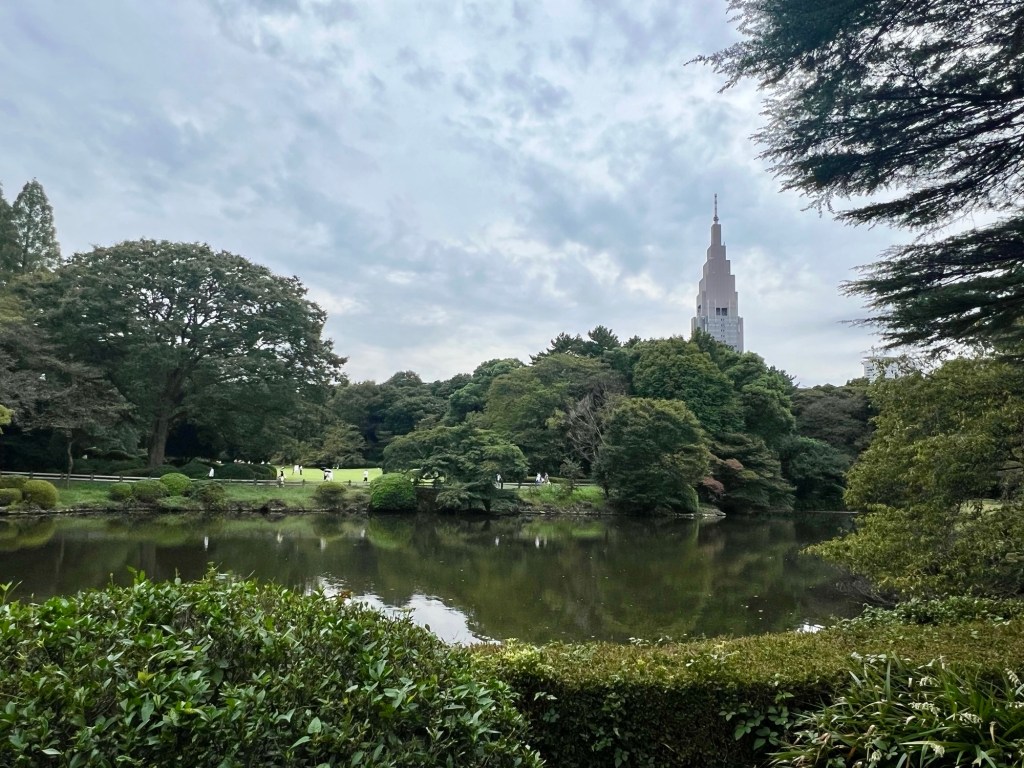
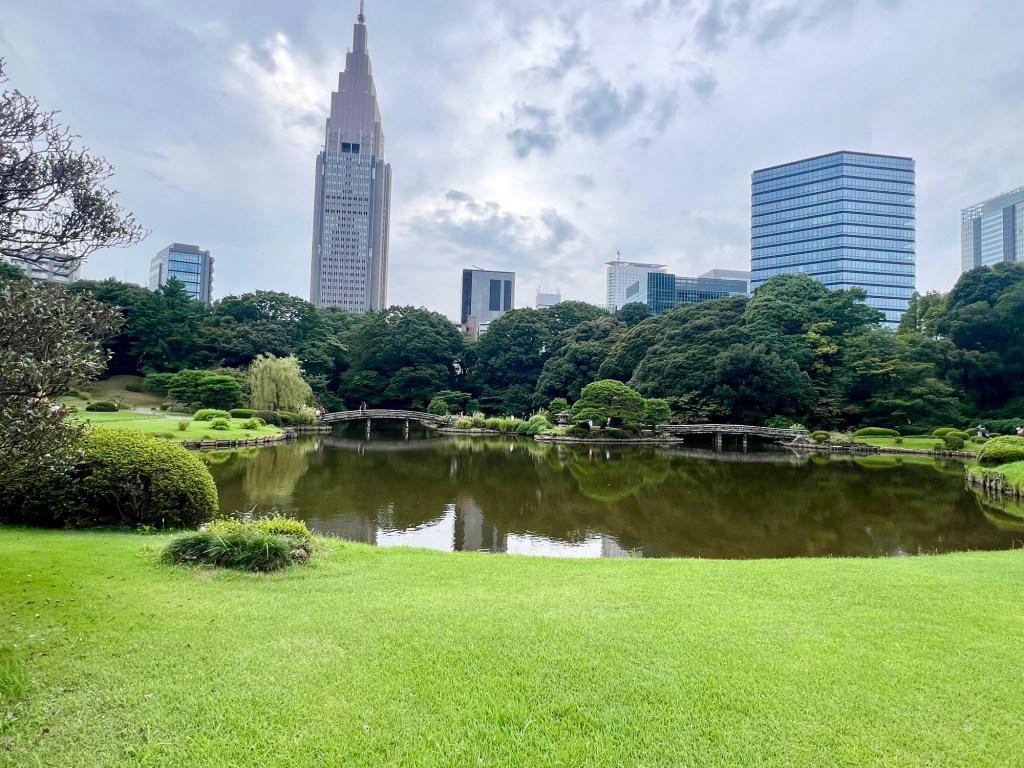
By the end of my visit here, I had clocked up about 20,000 steps, so I headed home to tell Mick about everything that I had seen, and to rest up before we headed out to Golden Gai for drinks and dinner.
The streets were lit up on our walk to Golden Gai around 5.30pm, and the crowds were growing.
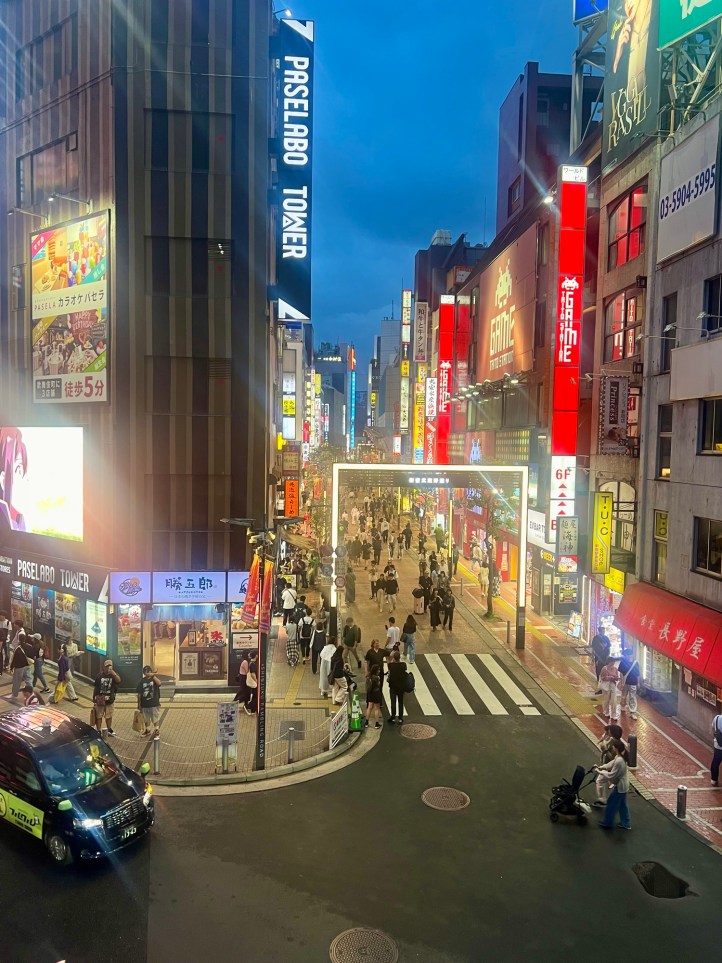
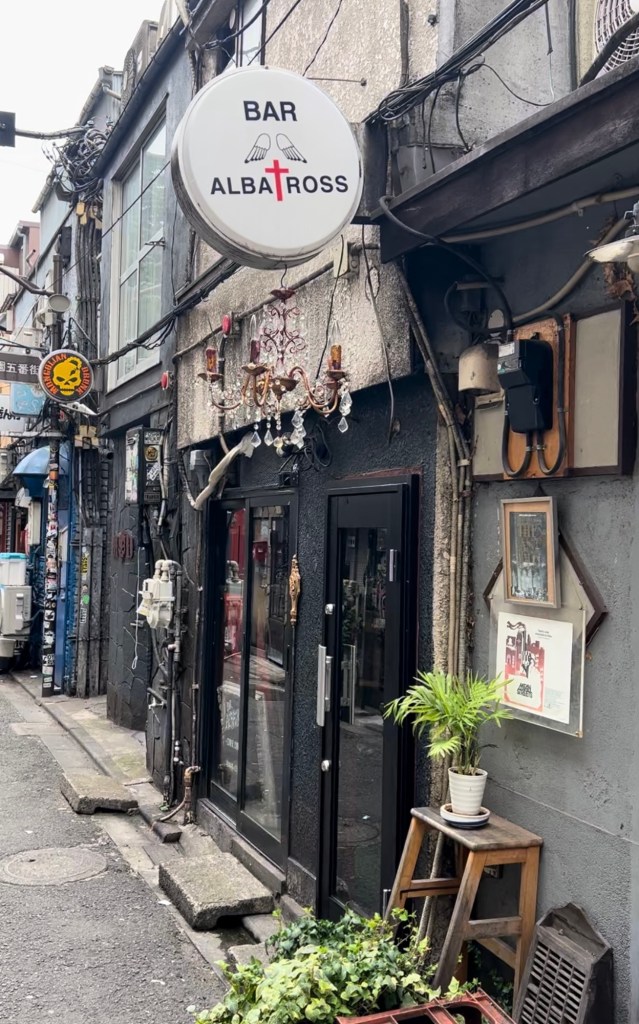
The Albatross, the “sister” bar we had visited last night and had hoped to visit, was not yet opened.
So our first stop was a small bar where there was no cover charge, but the drinks were 1000Yen each or more. The best whiskey cost 3000Yen for a small glass. For a second there I thought Mick was going to order one, but thankfully he just had a beer and a sake. Two young American men arrived and we got quite engrossed in a conversation with them that included topics from craft beers to superannuation (or pensions in the US).
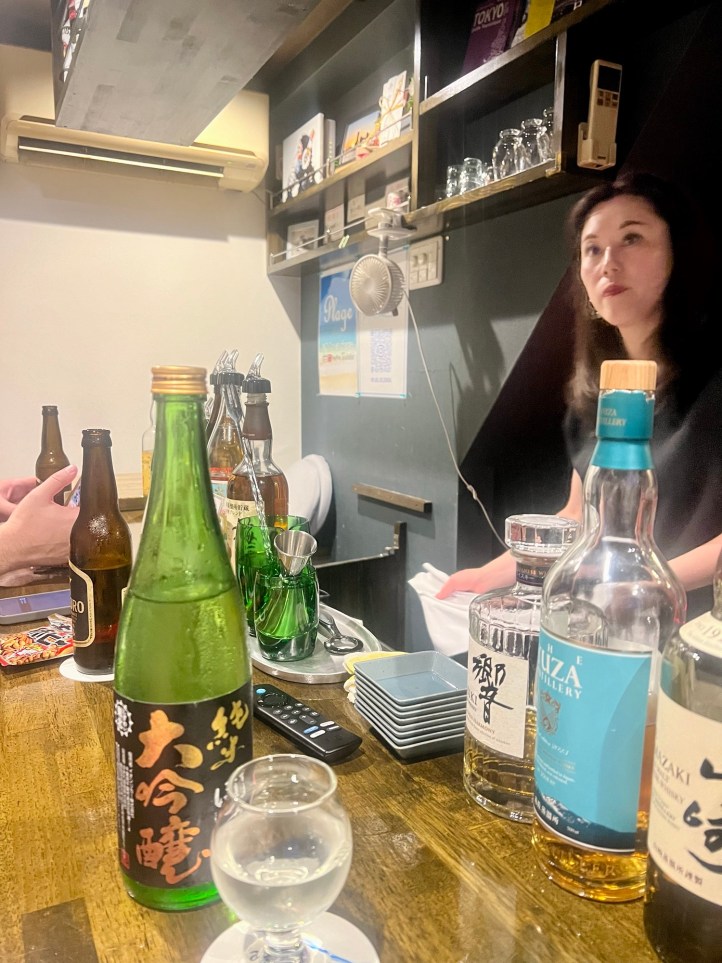
But we needed to find some food, so we paid our bill, said farewell and moved on.
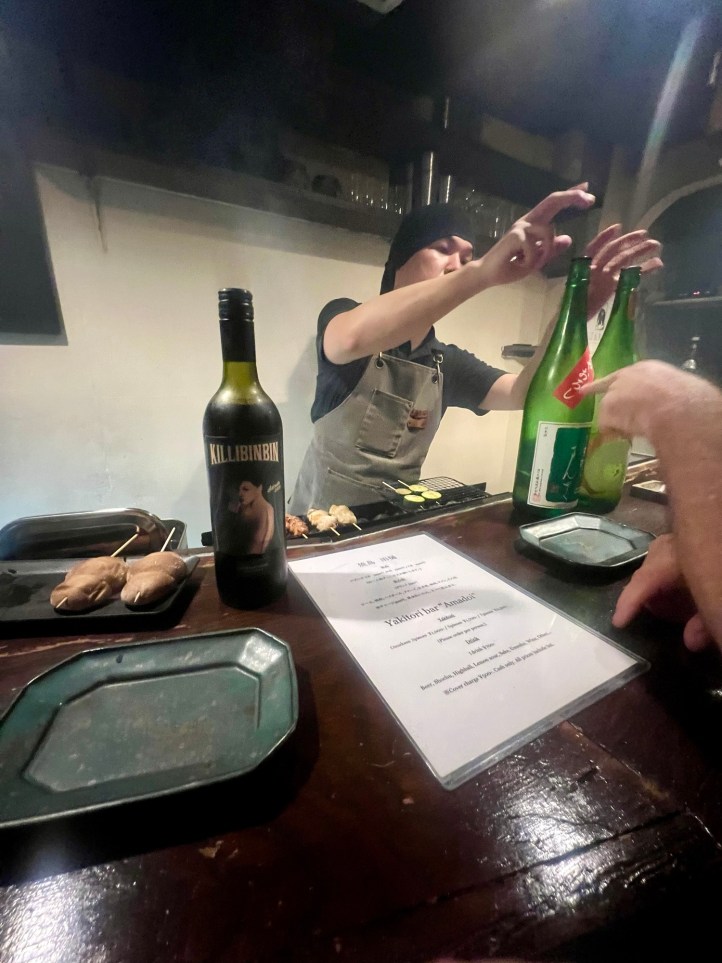
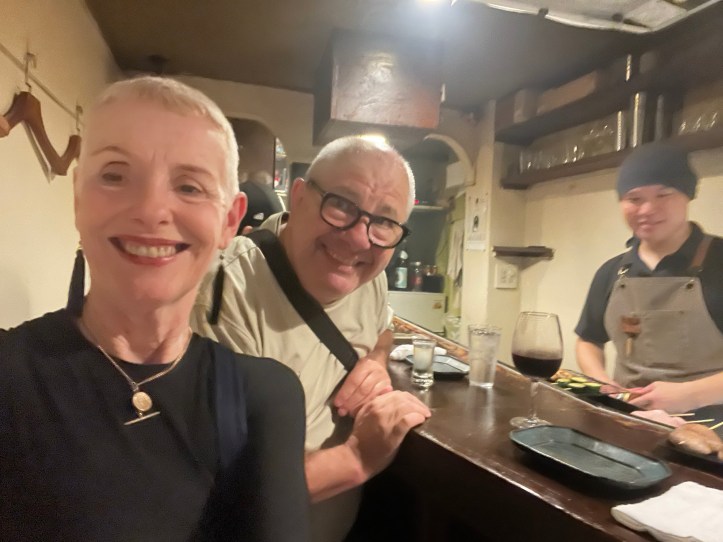
We both chose to have 3 pieces of Yakatori for 1000 Yen, freshly prepared and cooked in front of us. We had chicken thigh and wasabi, then chicken wing meat and lemon flavoured dressing, with the best left to last – a pork kofta served with a small green bell pepper (capsicum).
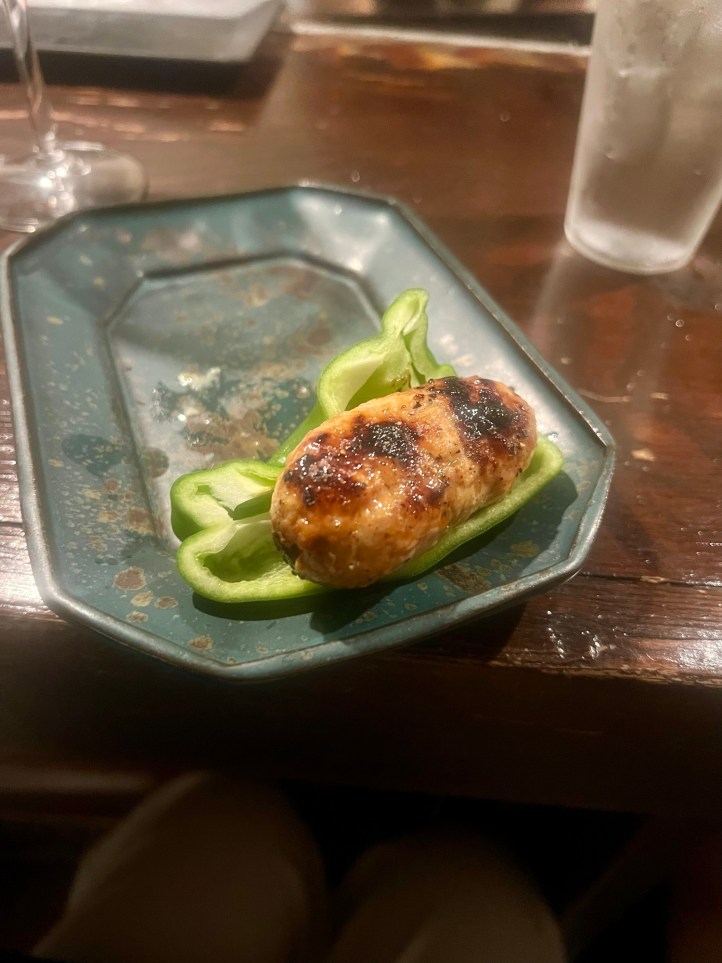
We very much enjoyed the meal and the experience here, although I think if we were to choose, we would go back to Omoide Yokocho (Memories Alley).
Tomorrow we have a very full-day tour that will take us out of Tokyo city.
Can you guess where to?
 Jane and Mick's Holiday Adventures
I am not a big traveler (partly because of not wanting to use any more fossil fuels than necessary to live my very simple life, partly because I am a very happily rooted in the Boston are of MA in the USA…) I enjoy armchair traveling via your blog posts and have a sense that — if I WERE to travel — I might feel very comfortable in Japan with their cultural respect for nature and for history. Thank you for your blog posts!