Something we found out when we first arrived in Origlio as we were taken on a tour of our house sitter’s home and shown our room was that the house has a nuclear bunker on its ground floor.
The house consists of three stories – upstairs for the parents, the middle floor for the main living areas and bedrooms for the children and then the downstairs where we are staying. We have a very comfortable ‘granny flat’ set up with a full sauna in our bathroom and on the same floor as us is the laundry, storage room/s and THE NUCLEAR BUNKER.
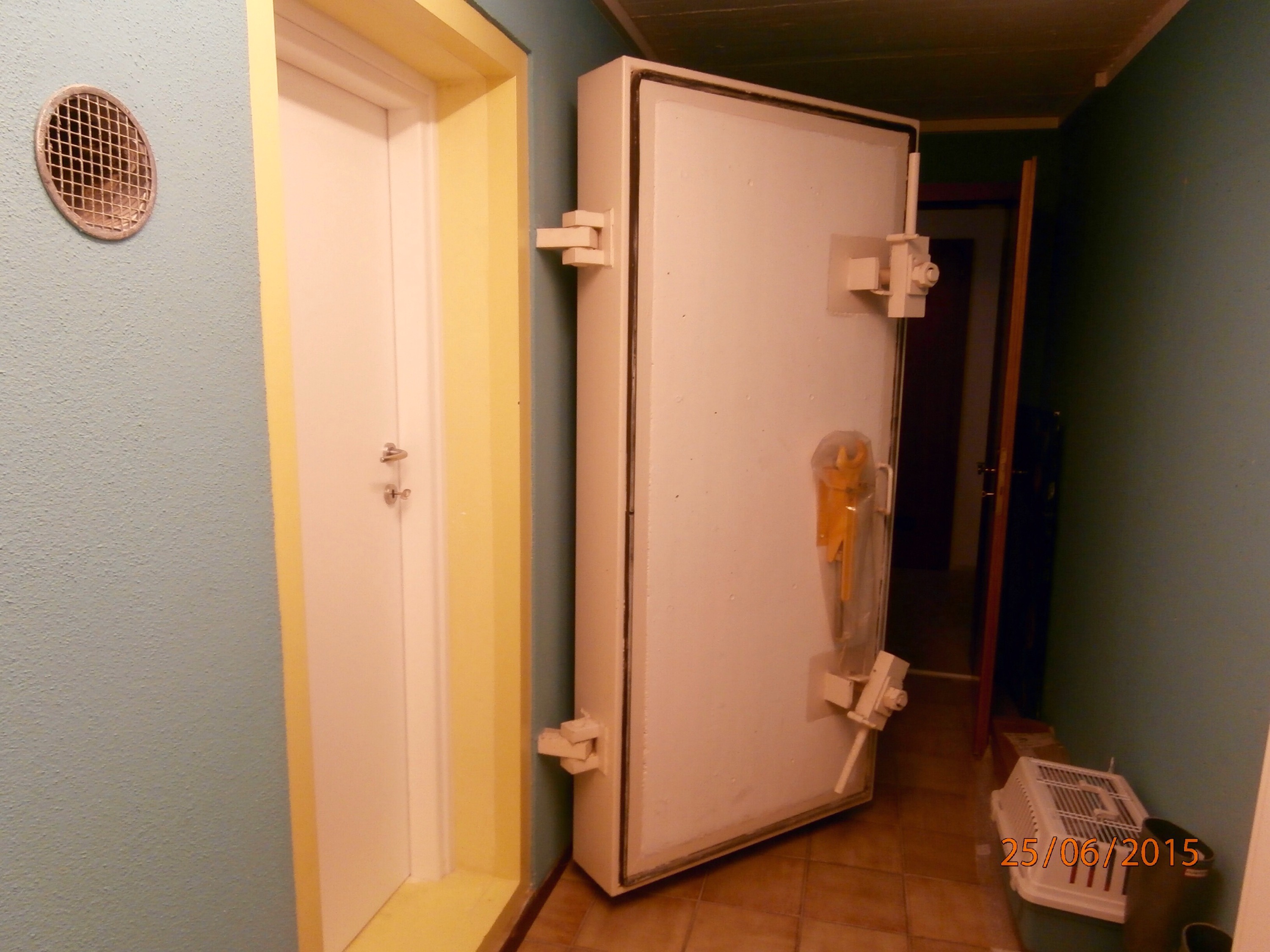
Our host told us it had been mandatory to have one of these built into your home up until recently, when the law was modified to allow residents to opt for paying for a place in a public bunker. Mick and I were most intrigued so did a bit more research. Those of you who have been to Switzerland before and stayed with friends or family (i.e. you David McR) will have known this, but I am assuming there are quite a few like me who were totally ignorant about this.
I tried to move the door to get a better shot for the blog and it was so so heavy. Sorry about the sideways shot.
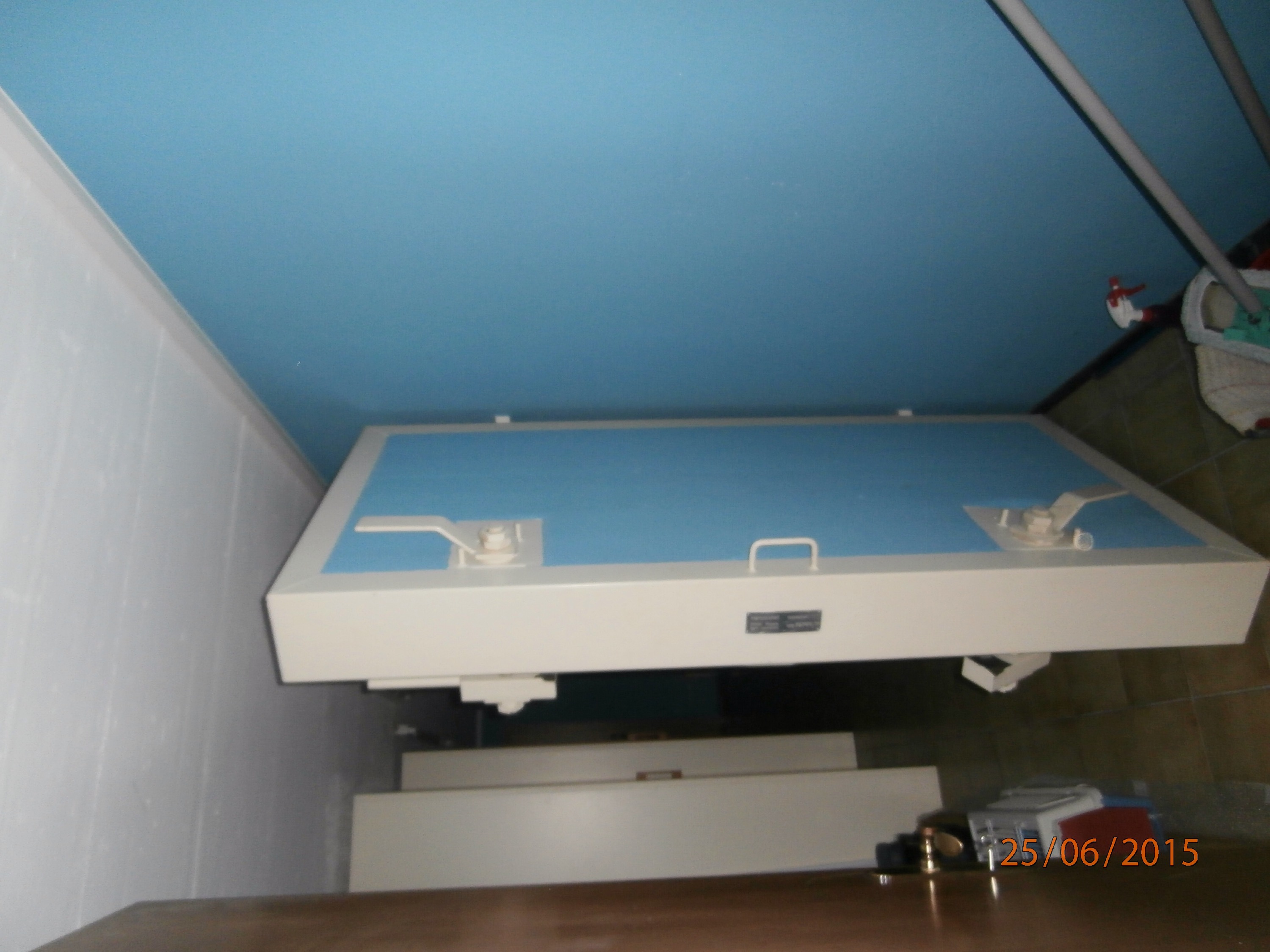
This bunker policy came about during the Cold War. In 1963 the Swiss Government introduced a requirement for all its residents to either build a bunker or pay to have access to a public bunker. It was the Government’s way of ensuring protection for its residents from a nuclear attack, which was very high at this time. They were worried about a Soviet invasion.
As an Australian I have been jealous of those living in European countries as it is so easy and cheap to travel to neighbouring countries to enjoy the different cultures, food and wine. But, this nuclear bunker policy brought it home to me that living in a European country has come at great cost; fear of, and experience in, being invaded.
According to information about these bunkers (dated 2006) there were 300,000+ private bunkers and more than 5,000 public bunkers. Between them, they were capable of holding approximately 8.6 million people, or 114% of the country’s population.
They are not cheap to build at around CHF10,000 (~ $14,000 AUD). Our host told us he did not want it in his home and that he had applied to have it removed. Now that I have read more about them, it would mean he would have to pay about CHF1500 per family member for a place in a public bunker.
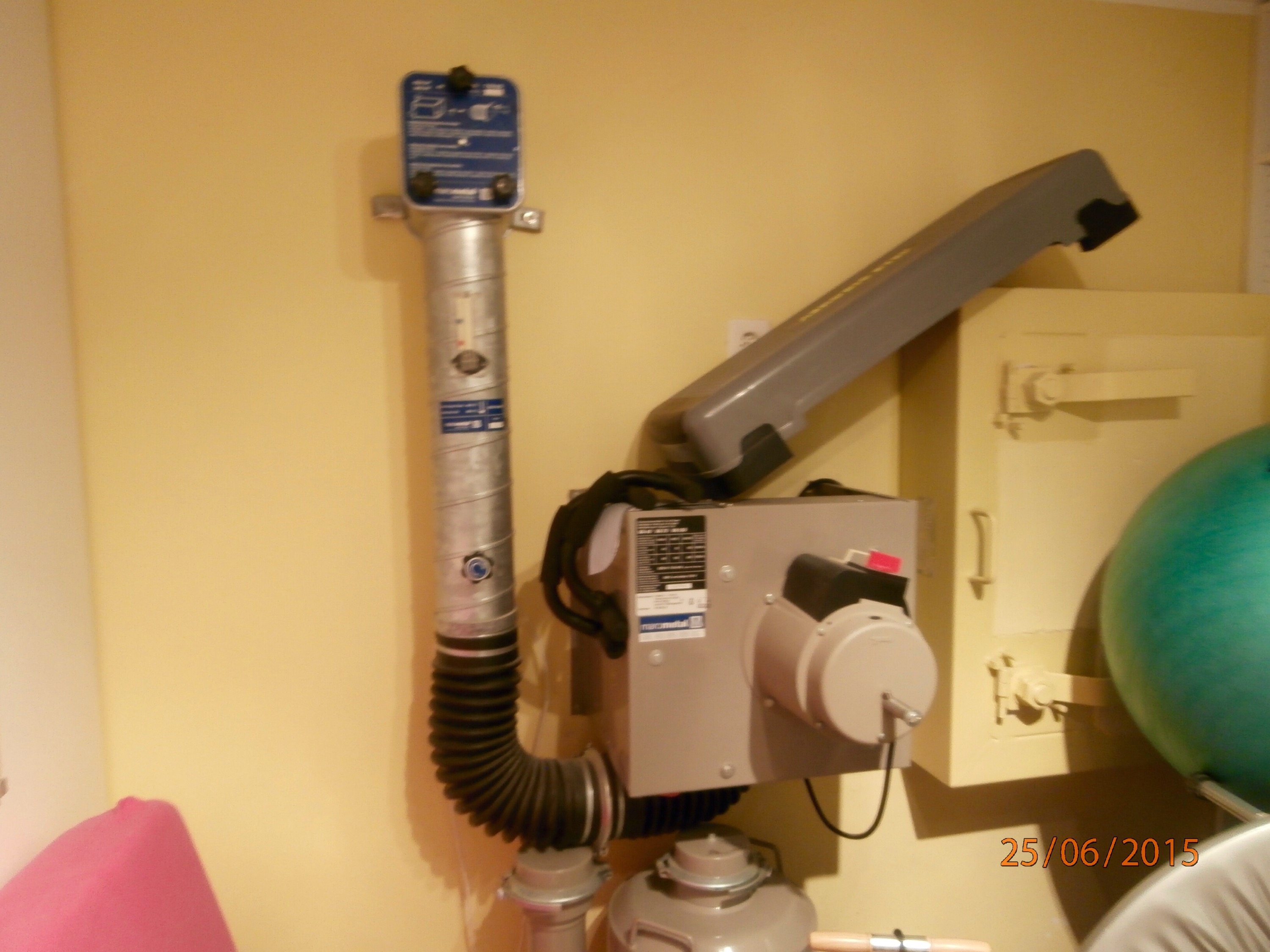
What do they look like inside? This shot shows a close up of the air conditioning system (I think).
Most bunkers are used as an extra storage space for wine or sporting equipment. And our host’s was no different – except for the wine. There was none there when we arrived in case you’re worried we cleaned them out.
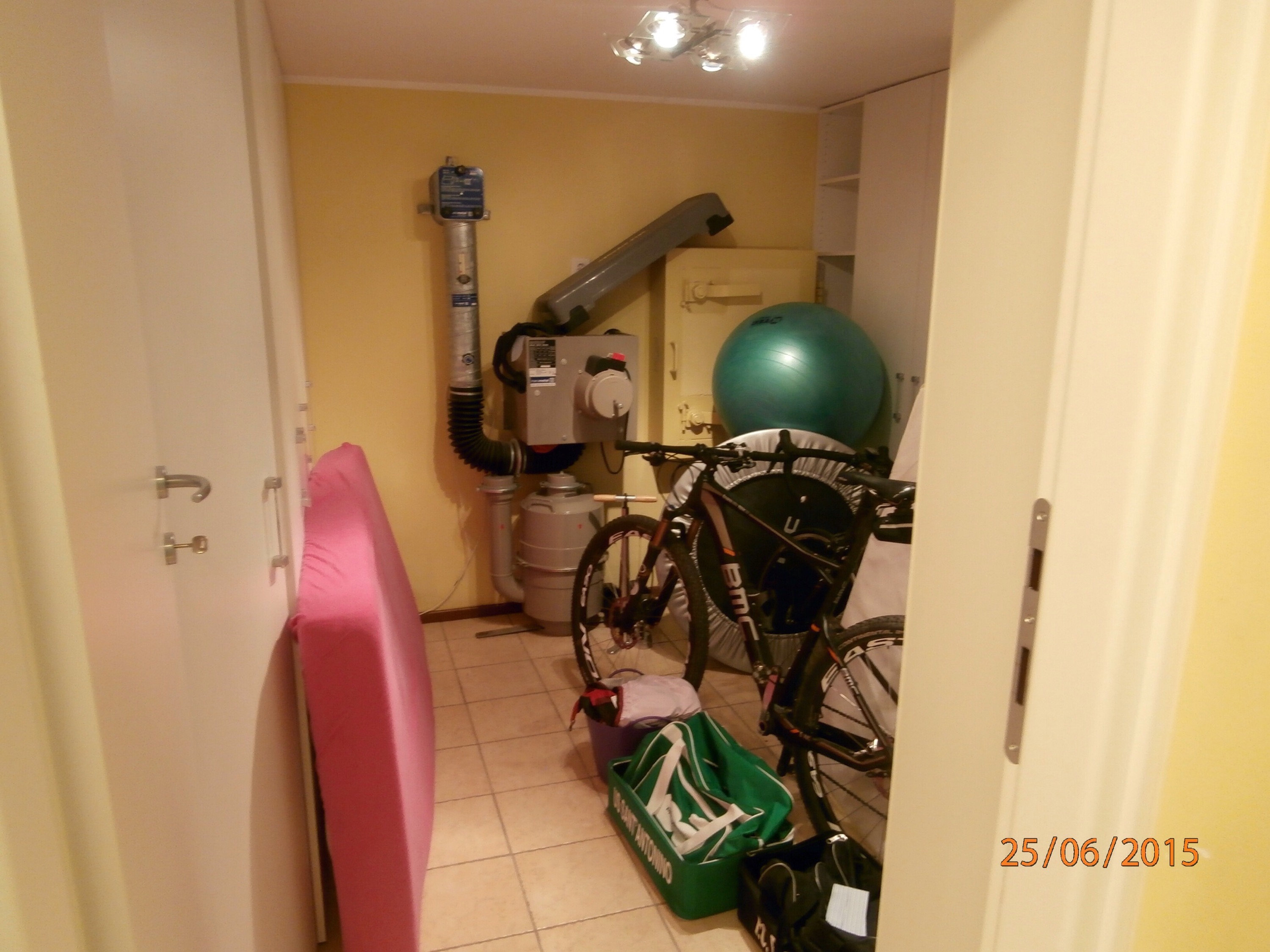
The government is aware of this alternate use for the bunkers but does not mind so long as they can be restored to emergency conditions in 24 hours – beds in place, bare walls, food and water and medicine supplies etc.
There are apparently regular tests conducted by the Government to ensure the sirens work. Thankfully this has not happened, and with only a few days before we leave, we hope we will be safe from this drill!
On an aside to this story, about 18 months ago, one of our sons and his wife bought their new home in Australia that was designed by a Swiss architect (they have copies of the plans) and built by its Swiss owner in the early 90s. They have heard rumours that there is a bunker hidden somewhere on the densely forested 5 acre block. I thought it was a joke, but having now learnt more about the nuclear bunker policy here in a Switzerland I am now more open to the idea. I know our son and daughter-in-law would love to find it!
And no, we did not use the sauna. Our host told us it has never been used.
 Jane and Mick's Holiday Adventures
Sounds like a great MAN Cave!!,